Delve into the fascinating world of neuroscience and linguistics to understand why learning Greek can transform your brain. Ioanna combines the latest scientific findings with her teaching expertise to create a truly effective learning experience.
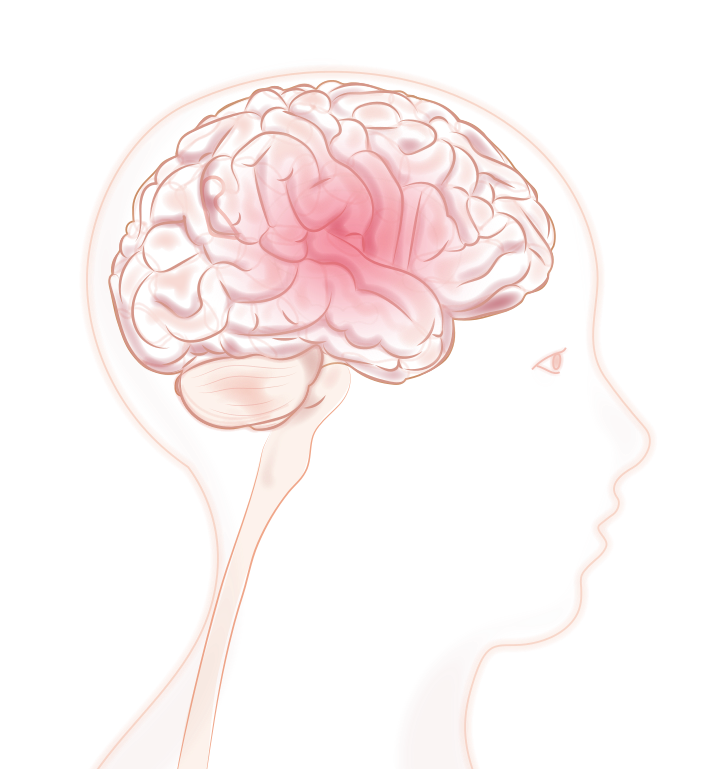
Modern neuroscience demonstrates that learning a new language engages several areas of the brain, including Broca’s and Wernicke’s areas responsible for speech production and comprehension. Regular practice strengthens the connections between these regions, increasing grey matter density and promoting brain plasticity. This process not only improves memory and attention but also builds cognitive reserve that can slow the effects of ageing.
Studies have shown that bilingual and multilingual individuals exhibit better multitasking abilities, quicker decision‑making and heightened creativity. Language learning also improves problem‑solving skills and mental flexibility, helping your brain adapt to new situations with ease. By immersing yourself in Greek, you train your brain to recognise patterns and think more dynamically.
Linguistics provides the framework for understanding how languages are structured and how meaning is conveyed. By breaking Greek down into its phonological, morphological and syntactic components, Ioanna helps you build a solid foundation that makes the language logical and intuitive. This analytical approach develops meta‑linguistic awareness—an ability to compare and contrast languages—that makes learning additional languages easier.
Ioanna integrates these linguistic principles with memory techniques and spaced repetition to ensure new vocabulary and grammar are retained long‑term. You’ll practise real‑life conversations that link abstract rules to meaningful contexts, reinforcing neural pathways and making Greek a natural part of your thought processes.