Greek Traditions
Greece’s customs and celebrations are woven into everyday life. Explore the vibrant traditions that keep modern Greek culture alive.
Greece’s customs and celebrations are woven into everyday life. Explore the vibrant traditions that keep modern Greek culture alive.
For many Greeks, a person’s name day—celebrated on the feast day of the saint they’re named after—is more important than birthdays. Friends and family drop in without invitation, bringing sweets and small gifts to mark the occasion. Hosts lay out a table of treats and open their homes to all who come to offer their wishes.
A Greek engagement traditionally begins with asking for the bride’s hand from her family. Couples exchange rings, often placing them on the left hand during engagement and moving them to the right after the wedding. Engagements can last months or even years as families prepare for the big day.
Carnival season (Apokries) is a colourful, two‑week celebration rooted in ancient Dionysian festivals. People dress in costumes, throw confetti and parade through the streets. The festivities culminate on Clean Monday (Kathara Deftera), when families enjoy picnics outdoors and fly kites, marking the start of Lent.
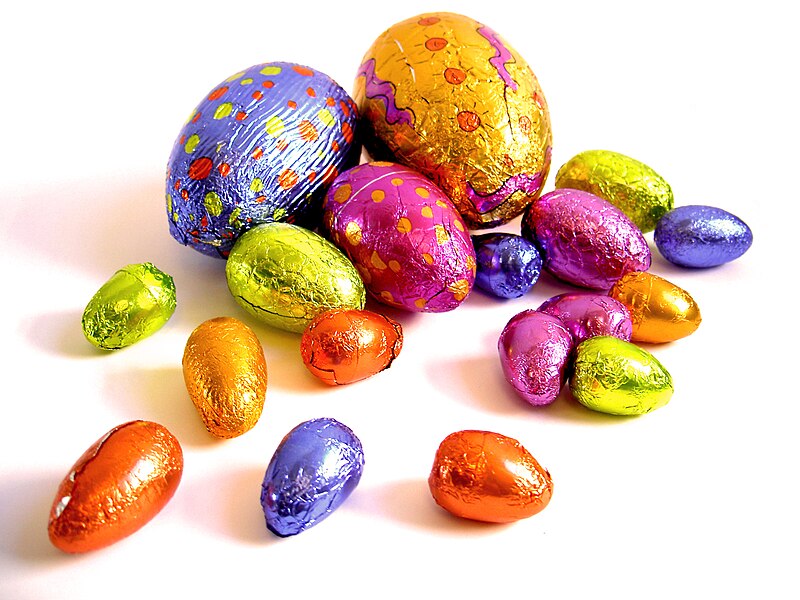
Easter is the most important festival in Greece. During Holy Week, families bake sweet bread (tsoureki) and dye eggs red to symbolise Christ’s blood. Good Friday processions and midnight church services on Holy Saturday lead to the joyful proclamation “Christos Anesti!” followed by fireworks and a feast of spit-roasted lamb on Easter Sunday.
Greeks celebrate Independence Day on March 25th and Ohi Day on October 28th with parades and patriotic ceremonies. Many Greeks also wear a small blue bead to ward off the “evil eye,” and some spit lightly (ftou ftou ftou) to protect against misfortune.